25 November 2026
How Boutique Senior Care Homes Improve Activities of Daily Living
Presented by @ricardodknu481
Business Name: BeeHive Homes of Floydada TX
Address: 1230 S Ralls Hwy, Floydada, TX 79235
Phone: (806) 452-5883
BeeHive Homes of Floydada TX
Beehive Homes assisted living care is ideal for those who value their independence but require help with some of the activities of daily living. Residents enjoy 24-hour support, private bedrooms with baths, medication monitoring, home-cooked meals, housekeeping and laundry services, social activities and outings, and daily physical and mental exercise opportunities. Beehive Homes memory care services accommodates the growing number of seniors affected by memory loss and dementia. Beehive Homes offers respite (short-term) care for your loved one should the need arise. Whether help is needed after a surgery or illness, for vacation coverage, or just a break from the routine, respite care provides you peace of mind for any length of stay.
1230 S Ralls Hwy, Floydada, TX 79235
Business Hours
Families hardly ever start investigating care alternatives due to the fact that everything is going well. Generally there has actually been a fall, a frightening minute with medication, or a sluggish accumulation of small concerns that finally feels like too much. In those discussions, the exact same concerns show up: Will Mom still have the ability to shower safely? Who will make sure Dad is eating real meals, not simply toast? How do we keep them strolling, dressing, and managing fundamental jobs respite care for as long as possible?
Those everyday jobs are what professionals call Activities of Daily Living, or ADLs. The method a home is organized around ADLs typically matters more than its amenities, its decoration, or its marketing language. This is where shop senior care homes can silently excel.
I have walked through dozens of big assisted living communities and a comparable variety of smaller, boutique-style senior care homes. What stays with me is not the chandeliers or the recreation room. It is the method a caretaker carefully cues a resident to shift weight before a transfer, or how a resident's favorite cardigan is constantly hanging in the same spot so dressing feels easy rather than confusing.
This article looks closely at how store senior care homes can improve ADLs, how they vary from bigger assisted living settings, and how households can evaluate whether a particular home is likely to help their loved one not simply live longer, however live better.
What ADLs Truly Mean in Daily Life
Professionals tend to group Activities of Daily Living into a familiar core: bathing, dressing, grooming, toileting, transferring, and eating. Numerous also discuss "critical" activities, like managing medications, using a phone, shopping, or preparing meals.
Those categories work for assessment, however families normally experience them more personally:
A daughter notices her father is unexpectedly wearing the exact same shirt numerous days in a row and bristles when she recommends a shower. A partner understands her spouse is "forgetting" to shave, which for him would have been unthinkable a couple of years previously. A child opens the fridge and sees half-eaten containers and random items, not real meals.
Struggles with ADLs indicate more than physical decline. They frequently reveal cognitive modifications, state of mind shifts, or losses in confidence. When ADLs slip, individuals withdraw. They prevent visitors, feel embarrassed, and their risk of falls, infections, and hospitalization climbs.
The best senior care environments treat ADLs as opportunities to support identity and dignity, not just tasks on a checklist. That is where the store technique can make a real difference.
What Defines a Shop Senior Care Home
"Store" is not a regulated term. It tends to describe smaller, more individualized senior care settings, often with:
Fewer locals, in some cases 6 to 20 rather than 80 to 150. A residential feel, such as converted single-family homes or purpose-built however small-scale buildings. Greater staff-to-resident ratios and more steady teams. More versatility in routines and menus.
Boutique homes may be accredited as assisted living, residential care, or board-and-care, depending upon the state. Some focus on memory care, others on general elderly care, and some offer short-term respite care remain in addition to long-term residence.
The core function is not luxury. It is scale. With fewer people to support, personnel can take note of how each resident actually lives: which side they choose to rise, whether they like to shower in the early morning or at night, how long they normally sit before their back stiffens.
Those small observations are what maintain ADLs over time.
Why Size and Scale Matter for ADLs
In a large assisted living neighborhood, early morning care typically needs to run like a production line. Staff are assigned a long list of homeowners to help up, toileted, bathed or showered, and dressed, all before breakfast ends. Even with caring staff, the pace motivates shortcuts. If buttoning is slow, they button for the resident. If strolling from bedroom to dining room takes 10 minutes, they may press a wheelchair instead.
The outcome is subtle but substantial. What the resident could do with time and cueing gets taken control of. Within months, the resident does less, the muscles decondition, and the ADL score drops. Families in some cases presume this is the illness progressing. Typically, it is the environment silently speeding up the decline.
In a shop senior care home, personnel generally support less homeowners per shift. I have actually enjoyed caregivers rest on the edge of the bed and wait through a long silence while a resident arranges herself to stand. No hurrying, no visible impatience. That extra two minutes makes the distinction in between "reliant" and "needs some help."
A resident who continues to move with assistance rather than be raised or wheeled preserves leg strength, blood circulation, and a sense of company. Those information substance over years.
Physical Environment as an ADL Tool
One of the greatest advantages of store homes is that the building itself can be arranged around how individuals really move through their day.
Hallways tend to be much shorter. Distances between bedroom, restroom, and dining location are less challenging. For someone with arthritis or mild cardiac arrest, that can imply the distinction in between strolling independently and requiring a wheelchair. Restrooms can be personalized more tightly to the resident's needs: get bars positioned to match a person's height and dominant hand, shower heads decreased or handheld, shelving organized so preferred products are constantly in arm's reach.
Lighting and noise levels matter more than the majority of families realize. In a smaller, quieter space, a resident can better hear a caregiver's spoken cues: "Slide your hand along the rail. Good. Now lean forward just a little." That enhances both safety and confidence.
I visited a 10-bed home where staff saw one resident consistently refused evening showers. Rather than chalk it approximately "habits," they focused. The corridor to the restroom was dim; her space was intense. They included a warm, continuous light along the path and a nightlight in the bathroom. Within a couple of days, her resistance softened. It was not about stubbornness. It was about depth understanding and fear of falling in low light.
Boutique settings can make small, fast modifications like this without a committee meeting or a six-month capital strategy. That responsiveness shows up in ADL performance.
Staff Relationships and the Power of Familiarity
ADLs make love. Assisting an individual shower, toilet, dress, or manage incontinence requires trust. In big neighborhoods where staff turnover is high, residents might see a carousel of unfamiliar faces. For somebody with dementia or anxiety, that is a significant barrier to accepting help.
In many store homes, the personnel is smaller, and schedules are more predictable. A resident might see the same caregiver three or 4 days every week, on the same shift. Familiarity grows, and with it, cooperation.
A resident who refuses a shower from a brand-new assistant may accept one from "Ana who knows my cream." A caretaker who has seen a resident through good and bad days can frequently anticipate what will help on a rough morning: coffee first, preferred music, a slower pace. That flexibility assists keep ADLs, since the resident stays participated in the procedure instead of retreating or shutting down.
For staff, having an intimate understanding of "their" homeowners likewise enhances clinical judgment. A caretaker observing that a generally consistent walker is all of a sudden unstable can flag a possible urinary system infection or medication problem early, long before a fall.
Individualized Routines Instead of Institutional Timetables
Rigid schedules are efficient for structures, not always for bodies. People do not age into uniformity. Some have always bathed at night, others first thing in the morning. Some require time to get up slowly before any demands are made.
Large assisted living operations frequently have to cluster showers and dressing support into narrow time windows to cover everyone. Shop homes can stagger routines.
I dealt with a small home that had a resident who had constantly been a late sleeper. In her previous larger community, personnel woke her at 6:30 a.m. For "morning care" because that is how the task sheets were structured. She became agitated, yelled, set out, and was identified as having "challenging habits."
In the boutique home, personnel consented to leave her undisturbed till 8:30 or 9, then use breakfast in her room if she wanted. Within a week, the "behaviors" had actually nearly vanished. She still needed assistance with dressing and bathing, however she accepted it calmly and cooperatively. Her ADL ratings did not amazingly enhance, however her capability to take part in her care did, which is critical.
Boutique homes can likewise bend meal times, toileting schedules, and activity windows to match individual routines. For ADLs, that implies tasks are done when the resident is at their finest, not when the building requires it.
Supporting Movement Rather of Replacing It
One of the most significant fault lines in between settings is how they deal with movement. For staff in a rush, a wheelchair is appealing. It feels faster and more secure. Yet moving a person prematurely to a wheelchair, or overusing it, is one of the quickest paths to losing the ability to walk.
In the better shop homes, you see an extremely purposeful approach: preserve and use whatever mobility exists, even if it takes some time. Personnel walk together with homeowners, not in front of them pushing. They integrate motion into daily life instead of confining it to "work out class."
Examples from practice:
A resident who is unsteady on unequal surfaces goes outside daily anyhow, but only on a thoroughly picked route, with a gait belt and close guidance. A guy who constantly enjoyed to "fix things" is invited to help carry light tools or hold a flashlight when minor repair work are done, providing him purposeful walking.
That sort of integration matters more than an arranged 30-minute workout. ADLs like moving, toileting, and dressing all depend upon leg strength, balance, and self-confidence to move. By keeping mobility part of real life, shop homes lengthen those capacities.
When formal rehab is included, such as after hip surgery or stroke, a small setting can often collaborate more perfectly with physical and occupational therapists. Personnel get practical training at the bedside: where to stand throughout transfers, what type of spoken cueing is recommended, how much assistance to provide and when to keep back. This tight feedback loop improves carryover into ADLs.

Bathing, Dressing, and Grooming With Dignity
Bathing is typically the hardest ADL for families to handle in the house, and the one they most dread handing over to strangers. In practice, how a home deals with bathing tells you a good deal about its culture.
In a store environment, it is simpler to do the following:
Limit the variety of various caretakers who help a resident in the shower, to build trust. Change the rate to the individual's stress and anxiety level, even if that means dispersing bathing tasks over two shorter sessions instead of one long one. Use individual preferences: water temperature level, specific soaps, whether the individual likes to wash their own hair or have it done for them.
Dressing and grooming follow the very same pattern. Smaller homes are more likely to appreciate a person's clothing style instead of push everybody into elastic-waist trousers and zip-up coats "for usefulness." For some homeowners, having the ability to select a tie, a piece of fashion jewelry, or a particular sweater is more than vanity. It is connection of self.
I keep in mind a retired teacher with mild dementia whose family was amazed at how well she continued to dress and groom herself in a 12-bed setting. The factor was not complicated. Personnel set up her clothes in the very same order, in the same drawer, at the same time every day, and cued her action by action, without rushing. In her previous bigger setting, personnel had actually often simply dressed her to conserve time. The distinction was not the structure. It was the time and attention.
Nutrition and Mealtime as ADL Support
Eating is technically an ADL, but it is likewise a gathering, a cultural ritual, and a significant driver of physical health. Shop senior care homes can turn mealtime into active support for self-reliance rather than passive feeding.
Smaller dining areas decrease sound and confusion, which assists locals with dementia concentrate on the job of consuming. Staff can sit with residents, not simply flow, and provide gentle triggers: "Here is your fork. Attempt a bite of the chicken." Menus can be adjusted rapidly. If staff notification that 3 locals regularly leave most of the meat, they can adjust textures or gravies without a bureaucracy.
For citizens who deal with fine motor abilities, smaller homes can explore different plate rims, adaptive utensils, or finger-food variations of the very same meals. The goal is to keep the resident feeding themselves as long as possible, with peaceful, behind-the-scenes adaptation instead of overt "unique treatment" that might feel infantilizing.
Hydration is another subtle ADL assistance. In a store setting, staff typically understand who chooses iced water, who drinks more if the cup has a straw, and who will only drink tea if it is made a specific method. Those individual details affect kidney function, blood pressure, and fall risk.
Social and Emotional Layers of ADLs
You can not separate ADLs from state of mind. An individual who is lonesome or depressed frequently dislikes bathing, grooming, or perhaps eating. A smaller, more relational home can capture and address those emotional shifts faster.
Familiar staff notice when someone withdraws from usual regimens. That may be the resident who always liked to sit by the window now remaining in bed, or the lady who enjoyed having her hair curled all of a sudden saying "do not trouble." In a shop home, staff frequently have time to sit and ask questions, or at least alert a nurse or social worker, instead of treating the change as basic stubbornness.
Group size likewise affects social convenience. Some residents discover large activity spaces and big-group events frustrating. They might avoid them and end up being labeled as "not taking part." In a shop senior care home, activities can be smaller and more spontaneous. 2 locals folding laundry together, or one assisting to shell peas in the kitchen, can be more significant than a scheduled bingo hour.
That sense of belonging feeds back into ADLs. Individuals are more going to get dressed, groomed, and come to the table when they know they will see familiar faces and feel useful, not simply be parked in front of a television.
Where Boutique Homes Excel Compared To Big Assisted Living
Large assisted living neighborhoods are not inherently bad options. They frequently have strong scientific resources, on-site treatment, and a broader variety of structured activities. The question is fit.
For ADL assistance, store homes tend to surpass in a couple of useful methods:
- Staff-to-resident ratios are often higher, so caretakers can offer more one-on-one time for bathing, dressing, toileting, and mobility, which protects abilities longer.
- Routines are more flexible, so residents can shower, eat, and sleep sometimes that match their lifetime practices, which decreases resistance and enhances cooperation.
- Physical designs are simpler and ranges much shorter, that makes walking, toileting, and finding one's room or the dining area much easier, especially for those with dementia.
- Relationships are more steady and familiar, which increases trust and lowers stress and anxiety around intimate care like bathing and toileting.
- Small adjustments can be made rapidly, such as customizing restrooms, seating, or meal arrangements for a single person, without having to redesign a whole unit.
Families weighing a bigger assisted living facility versus a shop senior care home need to not only compare features. They ought to ask, very directly, how this place will keep their loved one walking, consuming, grooming, and using the bathroom as independently and securely as possible.
The Role of Boutique Homes in Respite Care
Not every family is looking for long-term placement. In some cases the instant need is breathing room: a partner who has actually been offering 24-hour elderly care needs surgery, or an adult child caregiver is stressing out and requires a brief reset.
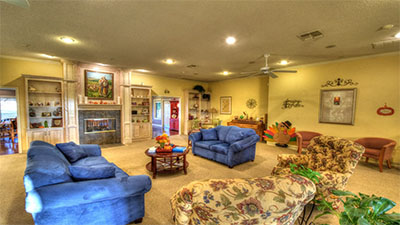
Short-term respite care in a shop home can be valuable in 2 instructions. The caregiver gets a break, and the older adult gains direct exposure to a structured environment that actively supports ADLs.
During a 2 or four week respite stay, staff can typically:
Re-establish safe bathing regimens that have slipped at home. Enhance toileting schedules and address irregularity or incontinence. Get eyes on movement issues, perhaps involve a therapist, and send the resident home with a much better plan for transfers and walking.
Families often report that their loved one returns from respite "doing better" with everyday jobs than before. That is generally not magic. It is simply the result of constant cueing, practiced transfers, and constant nutrition and hydration.
Respite stays are likewise a low-commitment way to assess a boutique home as a possible future choice. Viewing how staff support ADLs throughout a brief stay can inform you a great deal about what longer-term life there would look like.
Trade-offs, Expense, and Reasonable Expectations
Boutique senior care homes are not the best suitable for every situation. Compromises are real.
Cost can be greater per resident than in large assisted living facilities, especially in city markets where property worths are high. Some shop homes are private pay only, with minimal approval of long-lasting care insurance coverage or Medicaid waivers.
Clinical resources differ. A smaller home might not have on-site nurses 24/7 or instant access to rehab services. For locals with complicated medical needs, such as regular IV medications or sophisticated ventilator support, a knowledgeable nursing facility might be better in spite of its more institutional feel.
Even in strong boutique homes, not every ADL can be completely maintained. Progressive dementias, serious persistent diseases, and frailty will ultimately reduce independence, no matter how excellent the care. What families can reasonably expect is a slower, gentler trajectory of decrease, fewer crises, and more dignity in the process.
Part of the expert function in senior care is to assist families set expectations. A store setting can enhance safety and quality of life, but it can not restore a level of function that the person has plainly lost. The focus is often on keeping what stays, compensating smartly where required, and avoiding intensifying harm by doing too much for the resident too soon.
What to Ask When Evaluating a Store Senior Care Home
Tours tend to emphasize design and social programs. To comprehend how a home supports ADLs, you need more pointed concerns. Utilized together, the following short list can assist:
- Ask for specific staff-to-resident ratios on days, nights, and nights, and how long the average caregiver has worked there, to gauge stability and capacity for individually ADL support.
- Observe bathrooms and bedrooms for personalized setup: grab bars, adaptive equipment, clothing organization, and evidence that spaces are customized to people rather than standardized.
- Ask how they handle a resident who refuses a shower or resists toileting, and listen for nuanced, person-centered techniques instead of talk of "compliance."
- Inquire about partnership with physical and occupational therapists after hospitalizations, and how therapy suggestions are integrated into daily care.
- Speak straight with caretakers, not simply administrators, about how they assist residents stroll, move, consume, and dress; frontline staff will reveal the genuine culture.
If the answers are unclear or greatly scripted, that is an indication. Homes that truly focus on ADLs can talk concretely about how their regimens vary from a more institutional assisted living model, and they can use particular examples without exposing personal details.
Bringing It All Together
The core promise of any senior care setting, whether labeled assisted living, memory care, or residential care, is that basic daily needs will be satisfied reliably and respectfully. Shop senior care homes make that pledge in a particular way: through small scale, close relationships, and an environment that flexes to the person, not the other method around.
For households, the decision is hardly ever easy. Yet when you remove away marketing language and features, one question often cuts through the sound: Where is my loved one most likely to continue bathing, dressing, strolling, consuming, and managing the details of everyday life in a manner that feels like them?
For lots of older adults, particularly those overwhelmed by large crowds or stiff schedules, an attentively run boutique senior care home is a strong answer.
BeeHive Homes of Floydada TX provides assisted living care
BeeHive Homes of Floydada TX provides memory care services
BeeHive Homes of Floydada TX provides respite care services
BeeHive Homes of Floydada TX supports assistance with bathing and grooming
BeeHive Homes of Floydada TX offers private bedrooms with private bathrooms
BeeHive Homes of Floydada TX provides medication monitoring and documentation
BeeHive Homes of Floydada TX serves dietitian-approved meals
BeeHive Homes of Floydada TX provides housekeeping services
BeeHive Homes of Floydada TX provides laundry services
BeeHive Homes of Floydada TX offers community dining and social engagement activities
BeeHive Homes of Floydada TX features life enrichment activities
BeeHive Homes of Floydada TX supports personal care assistance during meals and daily routines
BeeHive Homes of Floydada TX promotes frequent physical and mental exercise opportunities
BeeHive Homes of Floydada TX provides a home-like residential environment
BeeHive Homes of Floydada TX creates customized care plans as residents’ needs change
BeeHive Homes of Floydada TX assesses individual resident care needs
BeeHive Homes of Floydada TX accepts private pay and long-term care insurance
BeeHive Homes of Floydada TX assists qualified veterans with Aid and Attendance benefits
BeeHive Homes of Floydada TX encourages meaningful resident-to-staff relationships
BeeHive Homes of Floydada TX delivers compassionate, attentive senior care focused on dignity and comfort
BeeHive Homes of Floydada TX has a phone number of (806) 452-5883
BeeHive Homes of Floydada TX has an address of 1230 S Ralls Hwy, Floydada, TX 79235
BeeHive Homes of Floydada TX has a website https://beehivehomes.com/locations/floydada/
BeeHive Homes of Floydada TX has Google Maps listing https://maps.app.goo.gl/VQckTu3ewiBFL32A7
BeeHive Homes of Floydada TX has Facebook page https://www.facebook.com/BeeHiveHomesFloydada
BeeHive Homes of Floydada TX has an Youtube page https://www.youtube.com/@WelcomeHomeBeeHiveHomes
BeeHive Homes of Floydada TX won Top Assisted Living Homes 2025
BeeHive Homes of Floydada TX earned Best Customer Service Award 2024
BeeHive Homes of Floydada TX placed 1st for Senior Living Communities 2025
People Also Ask about BeeHive Homes of Floydada TX
What is BeeHive Homes of Floydada TX Living monthly room rate?
The rate depends on the level of care that is needed. We do an initial evaluation for each potential resident to determine the level of care needed. The monthly rate is based on this evaluation. There are no hidden costs or fees
Can residents stay in BeeHive Homes until the end of their life?
Usually yes. There are exceptions, such as when there are safety issues with the resident, or they need 24 hour skilled nursing services
Do we have a nurse on staff?
No, but each BeeHive Home has a consulting Nurse available 24 – 7. if nursing services are needed, a doctor can order home health to come into the home
What are BeeHive Homes’ visiting hours?
Visiting hours are adjusted to accommodate the families and the resident’s needs… just not too early or too late
Do we have couple’s rooms available?
Yes, each home has rooms designed to accommodate couples. Please ask about the availability of these rooms
Where is BeeHive Homes of Floydada TX located?
BeeHive Homes of Floydada TX is conveniently located at 1230 S Ralls Hwy, Floydada, TX 79235. You can easily find directions on Google Maps or call at (806) 452-5883 Monday through Sunday 9:00am to 5:00pm
How can I contact BeeHive Homes of Floydada TX?
You can contact BeeHive Homes of Floydada TX by phone at: (806) 452-5883, visit their website at https://beehivehomes.com/locations/floydada/,or connect on social media via Facebook or Youtube
Visiting the Floyd County Historical Museum offers educational displays and views that make for a light cultural stop during assisted living, senior care, and respite care visits.